
Table of Contents
- What Halos and Glare Actually Look Like After LASIK
- Why LASIK Causes Halos and Glare: The Optical Mechanics
- LASIK Night Vision Recovery Time: What the Healing Timeline Looks Like
- How to Reduce Halos After LASIK: Practical Steps That Help
- LASIK Side Effects FDA Warnings and What They Mean for You
- LASIK vs. PRK and SMILE: How Glare Risk Compares
- Coping With the Emotional Side of Post-LASIK Visual Disturbances
- Frequently Asked Questions
Last Updated: September 15, 2026
What Halos and Glare Actually Look Like After LASIK
If you’re asking “will LASIK cause halos and glare,” the honest answer is: often, yes, at least temporarily. These are among the most commonly reported visual disturbances after refractive surgery, and understanding what they look like helps you separate normal healing from something worth a phone call.
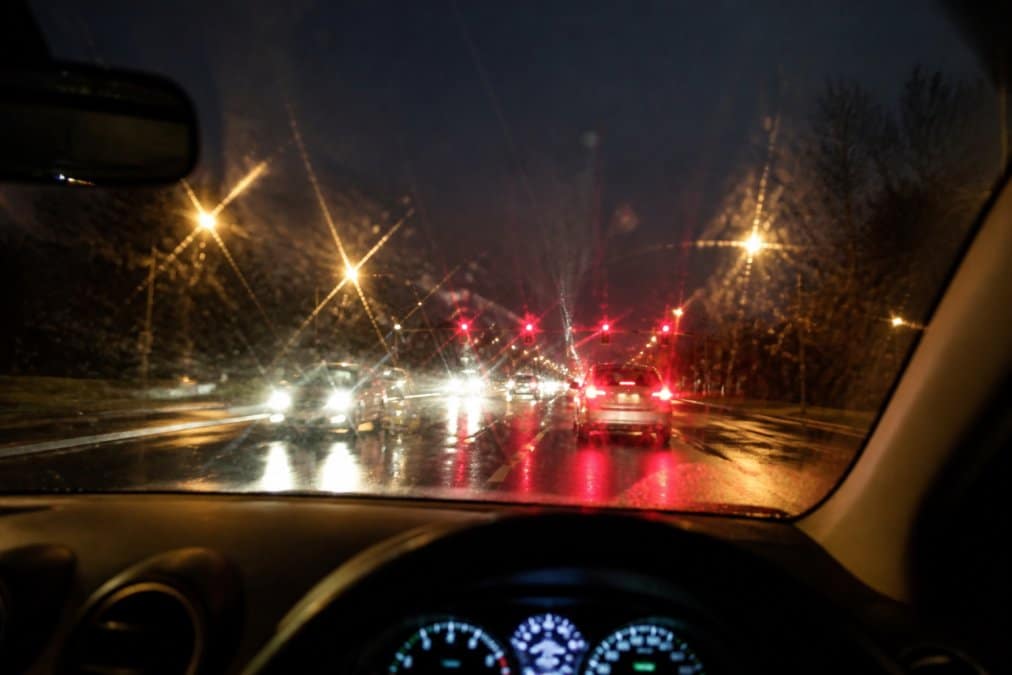
A halo is a ring of light that appears around a light source, while glare is a general wash of brightness or scatter that reduces visual clarity. Both tend to show up most in low-light conditions, like driving at night. A halo is a ring of light that appears around a light source, while glare is a general wash of brightness or scatter that reduces visual clarity. Both tend to show up most in low-light conditions, like driving at night.
Starbursts, Auras, and Light Sensitivity: The Full Picture
Starbursts are radiating spikes that shoot outward from lights, and auras are colored fringes around them. Light sensitivity, sometimes called photophobia, makes bright environments uncomfortable or even painful. Together, these visual disturbances form a cluster that many patients notice during the first weeks of post-operative recovery.
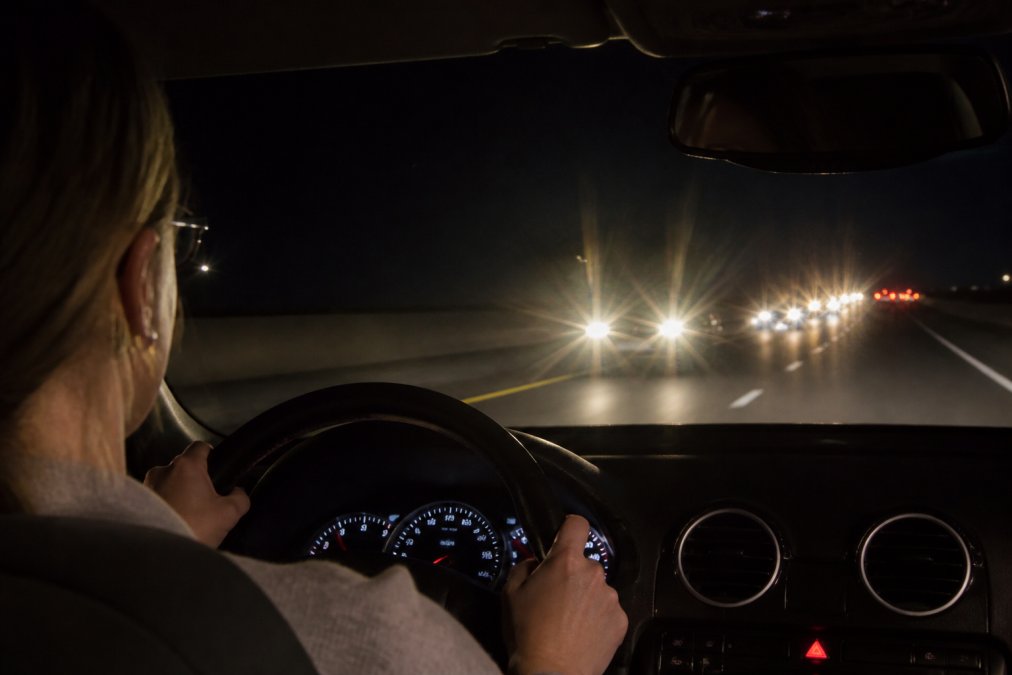
Not everyone gets all of them. Some patients notice only mild halos around headlights. Others describe tail-lights smearing into streaks. The pattern varies with pupil dilation, the amount of light scattering in the eye, and how quickly your corneal healing progresses.
Why LASIK Causes Halos and Glare: The Optical Mechanics
Halos and glare after LASIK stem from how light interacts with the reshaped cornea. During LASIK, a surgeon creates a corneal flap and uses a laser to remove tissue, changing the cornea’s curvature. In the healing phase, mild corneal swelling and fluid buildup can temporarily alter how light focuses.
According to the U.S. Food and Drug Administration’s LASIK information, visual disturbances including halos, glare, and starbursts are recognized side effects that patients should discuss with their surgeon. The FDA maintains a dedicated resource on LASIK risks, which is worth reading before any consultation.
Pupil Size vs. Optical Zone: The Technical Breakdown
Here’s the part most guides skip. The optical zone is the central area of the cornea that the laser reshapes. When your pupil dilates at night and grows wider than that treated optical zone, light enters through the untreated periphery and scatters. The result: halos, starbursts, and reduced contrast sensitivity.
This is why night vision complaints are so common. A pupil that dilates to 7mm in dim light, against an optical zone of 6mm, creates a mismatch. Modern wavefront-guided and custom LASIK approaches map your eye’s unique optical profile to reduce this mismatch, but no technique eliminates it entirely.
LASIK Night Vision Recovery Time: What the Healing Timeline Looks Like
LASIK night vision recovery time varies by patient, but the arc is predictable enough that your surgeon can usually tell you what to expect at each stage. Most people see meaningful improvement in halos and glare within three to six months, with the sharpest drop in symptoms happening in the first eight weeks (pubmed.ncbi.nlm.nih.gov). The acute phase, when halos and glare feel most noticeable, typically spans the first few weeks.
What’s actually driving the timeline is corneal remodeling. Right after surgery, the flap is settling, the epithelium is regrowing, and there’s mild stromal swelling. That swelling scatters light, which is why a headlight that looked crisp before surgery now wears a fuzzy ring. As the swelling resolves and the flap adheres, scatter drops and contrast sensitivity climbs back.
| Phase | Typical Timeline | What’s Happening | What You’ll Notice |
|---|---|---|---|
| Immediate | First 24-72 hours | Flap settling, peak swelling, tear film disrupted | Blurry vision, heavy halos, significant light sensitivity |
| Acute | Weeks 1-2 | Epithelium healing, inflammation tapering | Halos and starbursts at their most noticeable; night driving uncomfortable |
| Early healing | Weeks 3-8 | Stromal swelling resolves, flap adheres firmly | Symptoms soften noticeably; contrast improves in dim light |
| Stabilization | Months 3-6 | Corneal shape settles, optical zone effects stabilize | Night vision approaches its long-term baseline |
| Long-term | 6-12 months | Residual refraction and higher-order aberrations stabilize | Any remaining symptoms are usually mild and stable |
A few practical markers help you gauge whether you’re on track. By week two, most patients can read street signs at dusk without squinting. By week six, the difference between your daytime and nighttime vision should be narrowing rather than widening. By month three, if halos are still severe enough to make you avoid driving after dark, that’s a conversation to have with your surgeon rather than something to wait out.
Dry eye is the wild card in this timeline. A stable tear film is what lets light pass cleanly through the cornea, and LASIK temporarily reduces corneal sensation, which in turn reduces tear production. That’s why lubricating drops aren’t optional in the first month, they’re part of the treatment, not a comfort measure. Patients who stay aggressive with preservative-free artificial tears during weeks one through eight often report a smoother symptom curve than those who taper early.
Keep a simple log for the first three months: rate your halos and glare on a 1-10 scale each week, and note whether you drove at night. Patterns are easier to spot in writing than in memory, and your surgeon can use that log at follow-up visits to decide whether to adjust treatment.
Some patients have lingering mild symptoms beyond a year. That’s less common, but it happens, and it’s why follow-up appointments matter. Your surgeon can track visual acuity and contrast sensitivity over time rather than guessing. If symptoms plateau and stay bothersome, options like a topography-guided enhancement, prescription night-driving glasses, or targeted dry-eye treatment can be discussed, but those decisions belong after the cornea has stabilized, not during the first few months when everything is still shifting.
How to Reduce Halos After LASIK: Practical Steps That Help
Reducing halos after LASIK starts with giving your eyes the best conditions to heal. A few practical moves make a real difference:
- Use prescribed lubricating drops consistently, especially in the first month
- Avoid rubbing your eyes, which can disturb the corneal flap
- Wear sunglasses outdoors to reduce light sensitivity
- Limit night driving until symptoms settle
- Keep follow-up appointments so your surgeon can monitor progress
- Report sudden changes in vision rather than waiting for the next visit
Dry eye syndrome is a frequent contributor to light scattering after refractive surgery. If your eyes feel gritty or burn, treating the dryness often softens the halos too. This is where clinical management of the ocular surface pays off.
Ask your surgeon about anti-reflective coatings on glasses if you still need them for night driving during recovery. A simple coating can cut glare noticeably while your eyes finish healing.
LASIK Side Effects FDA Warnings and What They Mean for You
The FDA requires LASIK providers to give patients a written patient guide covering side effects and risks. Reading it carefully before surgery is one of the most useful things you can do. The guide covers dry eye, halos, glare, and the small chance of more persistent visual symptoms.
Many patients skim this document because it feels like legal boilerplate.
Do not schedule LASIK and drive yourself home the same day. Arrange a ride. Your vision will be blurry and light-sensitive immediately after the procedure, and driving is unsafe until your surgeon clears you.
LASIK vs. PRK and SMILE: How Glare Risk Compares
Ask your surgeon three specific questions before choosing a procedure: (1) What optical zone will you use, and how does it compare to my dim-light pupil size? (2) How does my corneal thickness and dry-eye status affect which procedure you’d recommend? (3) If I have residual night-vision symptoms at six months, what are my enhancement options? The answers will tell you more about your glare risk than any general comparison chart.
Coping With the Emotional Side of Post-LASIK Visual Disturbances
Frequently Asked Questions
Do LASIK halos go away over time?
For most patients, halos and glare improve significantly within three to six months as the corneal flap heals and swelling resolves. Some people notice gradual improvement for up to a year. A small percentage continue to experience mild visual disturbances long-term, particularly in low-light conditions. Factors like pupil size, the optical zone treated, and whether you had wavefront-guided LASIK all affect how quickly and completely symptoms fade.
What is the typical LASIK night vision recovery time?
Night vision typically lags behind daytime vision recovery. Most patients see meaningful improvement in halos and glare by the three-month mark, with continued refinement through six to twelve months. Your corneal healing, dry eye management, and follow-up appointment schedule all influence how fast your night vision stabilizes. Your surgeon can track your progress at each post-operative visit and adjust treatment if needed.
Are halos and glare considered permanent LASIK side effects?
They are not usually permanent. The FDA lists halos, glare, and starbursts as known temporary side effects of LASIK, though a small number of patients report persistent symptoms beyond the first year. Modern techniques like wavefront-guided and custom LASIK have reduced how often these issues occur. If disturbances persist, your eye doctor can explore options such as prescription eye drops, night-driving glasses, or in rare cases, a enhancement procedure.
How does pupil size affect halos after LASIK?
When your pupils dilate at night, they can expand beyond the treated optical zone on your cornea. Light entering through the untreated peripheral area scatters differently, creating halos and glare around light sources. Larger pupils and smaller optical zones increase this risk. Your surgeon measures your pupil size during evaluation and can recommend a treatment plan, such as a larger optical zone or a different procedure, to reduce the chance of significant night vision problems.
Will LASIK cause halos and glare? Often, temporarily. The challenge is navigating the healing phase without letting temporary symptoms shake your confidence in the outcome. Clear Vision San Antonio offers personalized attention, advanced technology lens implants, and a team of expert eye doctors who tailor each recovery plan to the individual. If you’re weighing LASIK or another vision correction option, request an appointment and get answers specific to your eyes.