
Table of Contents
- How Diet Supports Macular Degeneration Prevention
- 1. Kale and Leafy Greens: Top Lutein and Zeaxanthin Rich Foods
- 2. Fatty Fish: Omega-3 Fatty Acids for Retinal Health
- 3. Eggs: A Bioavailable Source of Lutein and Zeaxanthin
- 4. Citrus Fruits: Vitamin C and Antioxidant Protection
- 5. Nuts and Seeds: Vitamin E for Oxidative Stress Defense
- 6. Sweet Potatoes and Bell Peppers: Beta-Carotene and Vitamin C
- 7. AREDS2 Supplement Recommendations and Food Synergy
- Foods to Avoid for Macular Health
- Plant-Based and Budget-Friendly Approaches
- When to See an Eye Doctor
- Frequently Asked Questions
Last Updated: September 16, 2026
How Diet Supports Macular Degeneration Prevention
Macular degeneration prevention starts with what’s on your plate. Age-related macular degeneration (AMD) is a leading cause of vision loss in adults over 50, and the macula, the retina’s central area for sharp, detailed vision, depends on specific nutrients to fight oxidative stress. This guide from Clear Vision San Antonio breaks down the seven best foods for macular degeneration prevention, from lutein-rich leafy greens to omega-3s in fatty fish.
The evidence is stronger than most people realize. The AREDS2 clinical study, run by the National Eye Institute, found certain nutrient combinations slowed AMD progression in people with intermediate disease. Below, we’ll show which foods carry the most protective value, how to prepare them for absorption, and where most “eat for your eyes” advice gets the science wrong.
One framing point matters: this is about risk reduction, not a cure. No diet reverses macular degeneration, but a nutrient-dense pattern built around carotenoids, antioxidants, and healthy fats gives your retina the raw materials to fight oxidative damage over decades.
Macular degeneration prevention is a long game. The nutrients that protect the macula, lutein, zeaxanthin, omega-3 fatty acids, vitamin C, vitamin E, and zinc, work best as a consistent dietary pattern, not a one-time fix.
1. Kale and Leafy Greens: Top Lutein and Zeaxanthin Rich Foods
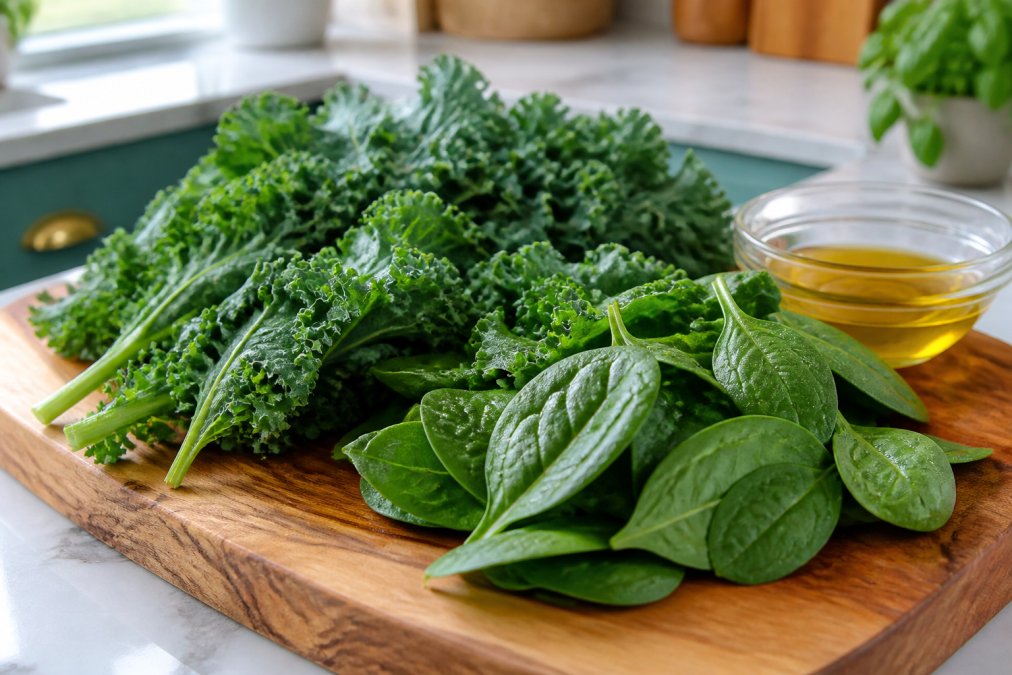
Kale and other leafy greens are the single best dietary source of lutein and zeaxanthin, the carotenoids that concentrate in the macula and filter damaging blue light. These pigments form the macular pigment, a natural sunscreen for your retina, and higher density is associated with lower AMD risk.
Spinach, collard greens, Swiss chard, and turnip greens deliver similar benefits. According to the American Academy of Ophthalmology’s guidance on nutrition and eye health, diets rich in these carotenoids support macular health as part of a broader antioxidant strategy.
Why Bioavailability Matters for Leafy Greens
Lutein and zeaxanthin are fat-soluble, so your body absorbs them far more efficiently with fat. A plain kale salad with fat-free dressing wastes much of the carotenoid content. Drizzle olive oil, add avocado, or pair greens with nuts or eggs. Cooking also helps: lightly sautéed or steamed greens release carotenoids better than raw in some cases, though raw greens preserve vitamin C. Eat them both ways across the week.
The most common mistake with leafy greens is skipping the fat. Lutein absorption can improve substantially when greens are eaten with a fat source. A handful of walnuts or a tablespoon of olive oil turns a good meal into an effective one.
2. Fatty Fish: Omega-3 Fatty Acids for Retinal Health
Fatty fish such as salmon, mackerel, sardines, and tuna supply DHA and EPA, the omega-3s that make up a significant portion of retinal cell membranes. DHA supports photoreceptor structure and function, and omega-3s help regulate inflammation, a driver of oxidative stress in the aging eye.
Cold-water fish rank among the most studied foods for macular degeneration prevention. Research summarized by the National Eye Institute on AREDS and AMD points to omega-3 intake as part of a protective dietary pattern. Aim for two to three servings per week. If you don’t eat fish, flaxseed, chia, and walnuts offer plant-based omega-3s, though the conversion to DHA is limited.
3. Eggs: A Bioavailable Source of Lutein and Zeaxanthin
Eggs are one of the most underrated foods for macular health, thanks to bioavailability. The lutein and zeaxanthin in egg yolks are bound to fat, so your body absorbs them more efficiently than from many plant sources. A single egg also provides zinc, vitamin E, and protein.
For people who struggle to eat enough leafy greens, eggs offer a practical daily source of macular pigments.
4. Citrus Fruits: Vitamin C and Antioxidant Protection
Oranges, grapefruits, lemons, and tangerines deliver concentrated vitamin C, a water-soluble antioxidant that protects the eye’s connective tissue and blood vessels.
5. Nuts and Seeds: Vitamin E for Oxidative Stress Defense
Nuts and seeds are your best plant-based source of vitamin E, a fat-soluble antioxidant that shields cell membranes from free radical damage.
6. Sweet Potatoes and Bell Peppers: Beta-Carotene and Vitamin C
Sweet potatoes and bell peppers cover two protective nutrients at once.
7. AREDS2 Supplement Recommendations and Food Synergy
| Nutrient | Amount in AREDS2 | Role in Eye Health | Common Food Sources |
|---|---|---|---|
| Lutein & Zeaxanthin | 10 mg / 2 mg | Build macular pigment, filter blue light | Kale, spinach, eggs, corn |
| Omega-3 (DHA/EPA) | 350 mg / 650 mg | Support retinal cell membranes | Salmon, sardines, mackerel |
| Vitamin C | 500 mg | Antioxidant, supports eye blood vessels | Oranges, bell peppers, citrus |
| Vitamin E | 400 IU | Protects cell membranes from damage | Almonds, sunflower seeds, hazelnuts |
| Zinc | 25 mg (as zinc oxide) | Supports retinal enzyme function | Oysters, beef, pumpkin seeds |
| Copper | 2 mg (as cupric oxide) | Prevents zinc-induced copper deficiency | Nuts, seeds, organ meats, dark chocolate |
Drug-Nutrient Interactions Worth Knowing
Do not start a high-dose eye supplement on your own, especially if you smoke or take a blood thinner. The beta-carotene in the original AREDS formula was linked to increased lung cancer risk in smokers, and high-dose vitamin E can increase bleeding risk with anticoagulants. Get a dilated eye exam and a clinical assessment before adding any supplement.
Food Synergy: Why the Whole Pattern Beats Any Single Pill
The AREDS2 trial itself is the best argument for food-first thinking.
Foods to Avoid for Macular Health
Just as important as what you add is what you cut back.
Plant-Based and Budget-Friendly Approaches
Most “best foods for macular degeneration” lists quietly assume you eat salmon twice a week and can afford fresh wild-caught fish, pasture-raised eggs, and a $40 bottle of AREDS2 capsules.
A Plant-Based Protocol That Covers the Macular Nutrients
- Lutein and zeaxanthin: kale, spinach, collard greens, Swiss chard, turnip greens, corn, and orange bell peppers. Aim for a daily serving of cooked dark leafy green, cooking with a fat source improves carotenoid release.
- Vitamin C: oranges, grapefruit, red and yellow bell peppers, strawberries, broccoli, and kiwi. Raw or lightly cooked preserves the most.
- Vitamin E: almonds, sunflower seeds, hazelnuts, peanuts, and wheat germ. A quarter-cup of almonds covers a meaningful share of the daily target.
- Zinc: pumpkin seeds, cashews, chickpeas, lentils, and fortified cereals. Plant zinc is less bioavailable because phytates bind it, soaking, sprouting, and fermenting legumes and grains improves absorption.
- Beta-carotene: sweet potatoes, carrots, butternut squash, and cantaloupe.
- Omega-3s: the real gap. Plants supply ALA (flaxseed, chia, hemp, walnuts), but conversion to DHA is inefficient, commonly cited estimates put it in the single-digit percentage range. Algae-based DHA supplements are the standard workaround, since algae is the original source of the DHA fish accumulate. If you’re plant-based and concerned about retinal DHA, talk to your eye doctor.
A Budget Shopping List for Macular Health
- Frozen kale and spinach, soups, smoothies, sautés, egg dishes
- Canned sardines or mackerel, on toast, in pasta, in salads
- Eggs, the most bioavailable dietary lutein and zeaxanthin per dollar
- Dried lentils and chickpeas, zinc, protein, and fiber; soak to reduce phytates
- Oranges and frozen berries, vitamin C year-round
- Sweet potatoes and carrots, beta-carotene, cheap and shelf-stable
- Almonds and sunflower seeds, vitamin E; buy in bulk and portion into small containers
- Store-brand frozen corn and bell peppers, lutein, zeaxanthin, and vitamin C
What to Skip When Money Is Tight
Frozen spinach and kale are among the best budget buys for eye health. They’re picked and frozen at peak ripeness, cost a fraction of fresh, and work in soups, smoothies, and sautés without any prep waste. Pair them with a fat source, olive oil, nuts, or eggs, to improve carotenoid absorption.
When to See an Eye Doctor
Diet supports macular health, but it can’t replace a clinical exam.
Frequently Asked Questions
What are the worst foods to avoid if you have macular degeneration?
Foods to avoid for macular health include those high in saturated and trans fats, such as processed snacks, fried foods, and fatty red meats. These can promote oxidative stress and inflammation, which may worsen AMD. Also limit sugary drinks and refined carbohydrates, as they can spike blood sugar and contribute to diabetes, a risk factor for macular degeneration. Focus on nutrient-dense whole foods instead.
What vitamin slows macular degeneration?
The AREDS2 study showed that a specific blend of vitamins and minerals can slow AMD progression. This includes lutein, zeaxanthin, vitamin C, vitamin E, zinc, and copper. These nutrients work together to protect the macula from oxidative damage. While supplements are not a cure, they can help when dietary intake is insufficient. Always consult an eye care professional before starting any supplement.
Should you eat eggs if you have macular degeneration?
Yes, eggs are an excellent source of lutein and zeaxanthin, which are key for macular pigment density. The carotenoids in eggs are highly bioavailable, meaning your body absorbs them more easily than from some plant sources. If you have concerns about cholesterol, talk to your doctor. For most people, one egg per day is a safe and beneficial addition to a macular degeneration prevention diet.
What foods are highest in lutein and zeaxanthin?
Lutein and zeaxanthin rich foods include kale, spinach, Swiss chard, collard greens, and turnip greens. Other good sources are eggs, corn, and orange bell peppers. Cooking these vegetables with a healthy fat, like olive oil, can boost absorption. Aim for at least one serving of leafy greens daily to support your macula and overall vision health.
Can diet alone prevent age-related macular degeneration?
Diet plays a significant role in macular degeneration prevention, but it is not a guarantee. A nutrient-dense diet rich in antioxidants, omega-3s, and carotenoids can reduce your risk and slow progression. However, genetics, age, and smoking also influence AMD. Combine a healthy diet with regular eye exams and lifestyle changes for the best protection. Your eye doctor can provide personalized guidance.