
High blood pressure is often thought of as a heart problem, but its effects extend far beyond the chest. The tiny blood vessels that feed the retina are just as vulnerable to years of elevated pressure as the arteries near the heart, and damage there can happen without a single symptom to announce it.
Many patients only discover the toll years of elevated readings have taken during a routine eye exam, long after the damage has already begun. Keep reading to learn more about how high blood pressure can affect your vision.
How High Blood Pressure Reaches the Retina

The retina sits at the back of the eye and translates light into the electrical signals the brain interprets as images. To do this work, it depends on a dense network of tiny blood vessels called arterioles, far too small to see without magnification. When blood pressure rises and stays high for months or years, these vessels respond by tightening in a reflex called vasospasm, narrowing their opening and restricting blood flow.
Over time, the vessel walls thicken and stiffen under the constant pressure, the same process that happens in arteries throughout the body. A blood vessel can narrow evenly along its length or pinch at one point, like squeezing a garden hose. Either way, the retina receives less blood than it needs, and that shortfall sets the stage for the damage described below.
Hypertensive Retinopathy: A Diagnosis With No Early Symptoms
This vessel damage has a name: hypertensive retinopathy. It develops from long-term high blood pressure affecting the retina, and it typically produces no noticeable symptoms until later stages, when vision may start to blur or lose clarity. Many patients first learn about hypertensive retinopathy while being evaluated for an unrelated concern, since dilated exams reveal the vessel changes long before symptoms appear.
Eye doctors grade hypertensive retinopathy on a scale, from mild narrowing of the arterioles in its earliest form to more severe signs such as small hemorrhages, cotton wool spots, or swelling of the optic disc in advanced cases. The grade doesn’t just describe the eye. Research has linked more severe hypertensive retinopathy to a higher risk of stroke and coronary artery disease, since blood vessels throughout the body tend to age at similar rates. This means a retinal exam can double as an early warning system for the heart and brain.
However, hypertensive retinopathy is not necessarily permanent. When blood pressure comes down through lifestyle changes or medication, some vessel changes can improve, especially if treatment begins before the damage becomes severe. Patients who catch the condition early and work consistently with their medical team have the best chance of preserving their vision.
Other Ways Elevated Blood Pressure Threatens Sight
Fluid Buildup and Optic Nerve Damage
Hypertensive retinopathy isn’t the only consequence of uncontrolled blood pressure. Fluid can also build up beneath the retina, a condition known as choroidopathy, distorting vision or leaving scars that affect sight long after blood pressure is brought under control.
Severely elevated pressure can also choke off blood flow to the optic nerve itself, a condition called optic neuropathy, which damages the nerve cells that carry visual information to the brain.
Blocked Vessels, Glaucoma, and Stroke-Related Vision Loss
Chronic high blood pressure raises the risk of a blocked retinal vein or artery, either of which can cause sudden, painless vision loss in one eye. It’s also associated with a higher likelihood of developing glaucoma and macular degeneration, conditions that can call for specialized glaucoma care as they progress.
Beyond the eye itself, a stroke caused by high blood pressure can damage the optic nerve or the part of the brain that processes images, causing vision loss that has nothing to do with the eye’s internal structures.
When Diabetes and High Blood Pressure Overlap
Many patients living with high blood pressure also manage diabetes, and the combination is particularly hard on the retina. Diabetes damages retinal blood vessels through a separate but related process, causing them to leak and swell in a condition called diabetic retinopathy, and when hypertension is present at the same time, the two conditions tend to accelerate each other’s progress.
A patient with both conditions faces a compounded risk that neither one alone would produce, which is why eye doctors ask about blood pressure numbers during exams for patients with diabetes, and vice versa.
Why Regular Eye Exams Catch What You Can’t Feel
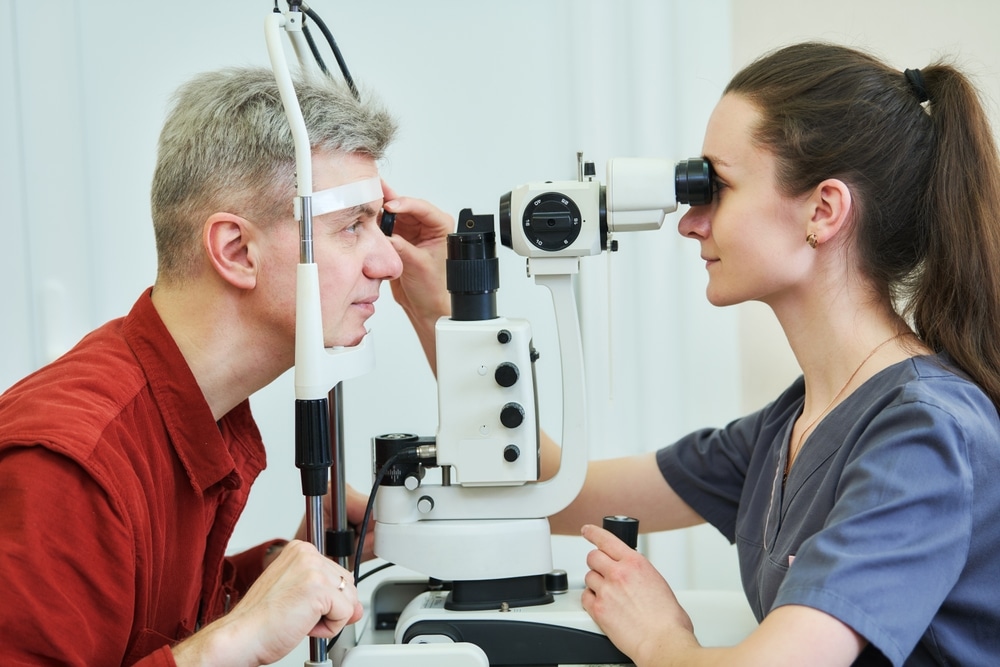
Because hypertensive retinopathy, choroidopathy, and optic neuropathy can all develop without symptoms, waiting to notice a problem is not a reliable strategy. At Clear Vision San Antonio, a leading provider of comprehensive eye care in the San Antonio area, a comprehensive medical eye exam looks beyond the surface to examine the retina, optic nerve, and blood vessels directly, often through dilation or retinal imaging that a standard vision screening does not include.
This is exactly the kind of exam that can catch narrowing arterioles or early hemorrhages before a patient notices any change in their sight. Adults with high blood pressure, particularly those who also have diabetes or a family history of eye disease, benefit from yearly exams rather than waiting for symptoms to appear.
The exam takes only a portion of an afternoon, and the information it provides can prompt earlier conversations with a primary care doctor about blood pressure management.
Warning Signs That Need Same-Day Attention
While most blood-pressure-related eye damage develops slowly, some complications appear suddenly and require immediate care. A sudden shower of new floaters, flashes of light, or a shadow spreading across part of the visual field can signal a blocked vessel or retinal detachment. Knowing the signs of retinal detachment and acting the same day can mean the difference between a full recovery and permanent vision loss.
Vision loss confined to one eye, even if it resolves within minutes, should also prompt a same-day call to an eye doctor, since it can signal a transient blockage that may recur with more lasting effects. A blood pressure reading of 180/120 or higher, especially alongside chest pain, shortness of breath, or sudden vision changes, calls for emergency care rather than a scheduled appointment.
Protecting Your Vision Alongside Your Blood Pressure

Blood pressure management and eye health are part of the same conversation. A heart-healthy diet, regular exercise, limited sodium and alcohol, and consistent use of prescribed medications all help the retina as much as they help the heart. Keeping blood pressure near the blood pressure targets that protect the eyes, generally below 130/80 mmHg, works alongside any other health goals to slow vascular damage before it reaches the retina.
For patients already managing hypertension, adding a routine eye exam to that plan closes a gap that blood pressure checks alone can’t fill, since a cuff on the arm can’t show what’s happening in the small vessels behind the eye.
Concerned about how your blood pressure might be affecting your eyes? Schedule an appointment at Clear Vision San Antonio in San Antonio, TX today.